


Punarnava
Ayurvedic Medicine



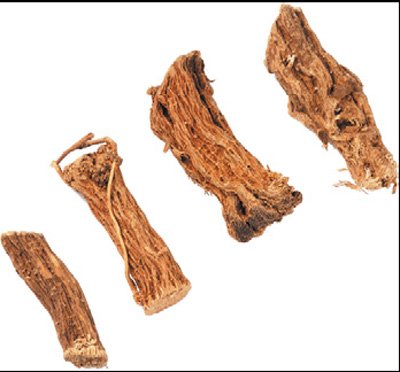
Punarnava
Indian hogweed (E), Gadhapurana (H):
Punarnava means 'one that renews the old body'. Its rejuvenative action works via its opening and cleansing activity allowing effective nourishment to reach the tissues. It is a superb diuretic and it benefits the heart.
Heart Fluid congestion, cardiac oedema, general oedema from heart function deficiency. Laboured breathing from the resultant congestion in the chest is eased. By clearing the excess of avalambaka and kledhaka kapha from the chest and stomach it clears the channels of obstructions. It is especially beneficial for allowing rasa and rakta, the circulatory fluids, to flow unimpeded. Hence punarnava is a rejuvenative and increases ojas. Kidneys Any symptoms of nephritis or impaired urinary function. It is used in bladder infections and systemic oedema. A superb herb for reducing excess fluids, swelling, oedema and congestion from excess kapha. Specifically useful in ascites, congestive heart conditions and arthritic swellings with pitting and coldness. Digestion It increases the digestive fire and is useful in a sluggish digestive system. It absorbs fluids from the digestive system and can be constipating. It prevents intestinal spasms and pain helping to treat flatulence, bloating and worms. Also traditionally used for treating the kapha-type of anaemia where kapha obstructs the raktadhatvagni resulting in low quality and quantity of blood. Diabetes Punarnava's ability to reduce medas dhatu and normalise mutravahasrotas is utilised in the treatment of diabetes. Arthritis Punarnava can effectively treat swollen joints with fluid retention with pitting from a kapha imbalance by moving toxic accumulations out of the joints and tissues and excreting them via the kidneys and urine. Beneficial in gout and arthritis. Gynaecology As it helps to prevent the breakdown of the blood-clotting protein fibrin, it can be used in menorrhagia and excessive menstrual bleeding. The punarnavoside is considered to be the antifibrinolytic agent .

 Fennel
 Sariva
 Bakuchi
 Kushtha
 Devadaru
 Hemp Seed
 Trivrut
 Varuna
 Pomegranate
 Turmeric
 Bhallataka
 Anthrapachaka
 Test your English Language
  Swami Vivekanand
 Fast and Furious Cars in the world
 Mythological Creatures and Shapeshifters
 World Wonders How to Use Social Networking Sites for Beginners
 Precautions while using CNG
 Know Tie Knots
 Tips to succeed in Work
 Precautions while using Earphones Comic Book Movie Casting Choices That Fans Didnt Hate Greatest Fashion Models
 Marrie Curie
 Horse Breeds
 Cinderella Expert Tips on Integrating Mobile and Cloud Strategies
 Precautions while using Overhead Projectors
 Precautions while using Oxygen Therapy
 Precautions while using Pesticides