


Kalamegha
Ayurvedic Medicine



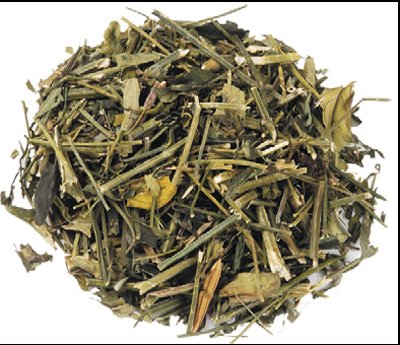
Kalamegha
King of bitters (E), Andrographis (E):
Kalamegha literally means 'black cloud' perhaps attesting to its harvest time just before winter. Also known as bhunimba meaning 'Neem of the earth' referring to its bitter neem-like taste and effects. Kalamegha is a very bitter tasting herb with a renowned immunestimulating effect. It is used to treat infections, fevers and septic conditions of the blood.
Immunity Lowered immunity in acute and chronic infections. Kalamegha is an immune stimulant rather than solely being antibacterial and has a proven use in treating influenza, upper respiratory tract infections, sore throat, parasite infestation in the GIT and also for urinary infections (Bone 1996, WHO monograph 1999). These recommendations include treating the common cold, high fevers, malaria, coughs, sinusitis, mouth ulcers, herpes zoster, HIV, otitis media, vaginitis and cystitis. It treats sannipata jvara, a type of fever involving all three dosa. Liver It increases bile flow and offers liver protection. Its bitter and cooling qualities clear liver infections and inflammation, as kalamegha is a specific for pitta in the blood and an aggravated ran˜jaka pitta. As it has very effective hepatoprotective as well as antiviral activity it should be considered in hepatitis and all forms of sluggish liver where there is a reduced ability to digest fats or alcohol. Digestion It is historically used in bacillary dysentery and enteritis. The bitterness is useful for ulcers as well as removing parasites and intestinal infections with protozoal, fungal or bacterial infestations. Especially useful where pacaka pitta is aggravated causing colitis, sensations of burning in the abdomen and diarrhoea from high pitta. Combine with warming aromatic herbs such as cardamom (Elettaria cardamomum) and cinnamon (Cinnamonum zeylanicum) to prevent aggravation of vata and stimulate the appetite and reduce mucus. Lungs Useful in respiratory infections with high pitta with green mucus, thirst and fevers. Its bitter, light, dry and penetrating properties help to cut through thick phlegm from high kapha.

 Safflower
 Sandalwood
 Kutaja
 Devadaru
 Chrysanthemum
 Kapikacchu
 Cloves
 Varuna
 Shatavari
 Neem
Neem Manjishtha
 Bhringaraja
 Test your English Language
  Precautions while using Social Networking Sites
 Crazy Things You Will Only Find In Japan
 Healthy Elbow
 Awesome Modular Kitchen Designs Things That Define Your Personality
 Economy of India Amazing Science Images You Must See Amazing Glass Buildings in the World
 New Hairstyles for Men
 Marrie Curie Smartest People Of All Time
 How to Do Computer Yoga Beautiful Glaciers in the World Most Powerful Weapons In History
 Benefits of Beetroot
 Precautions while using Power Supply
 Precautions while using Refrigerators
 Precautions while using Securing Email