


COPAIVA
Homeopathy



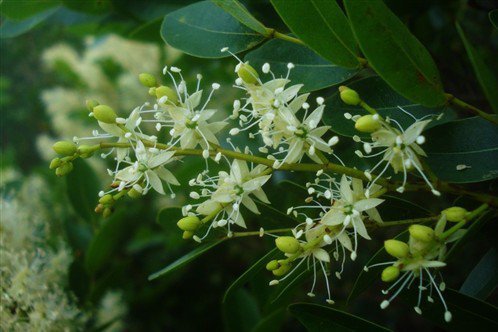
COPAIVA
Copaifera officinalis
Balsam of copaiva.
Key Uses:
Origin : Native to tropical South America, but also found in southern Africa.
Background : This traditional native Brazilian remedy for healing wounds and removing scars was first recorded in 1625 by a Portuguese monk, Manoel Tristaon.
Preparation : A tincture of balsam is made from oleoresin (a semi-solid mixture of resin and essential oil) from the plant.
Remedy Profile : Copaiva is given to restless, overwrought people who are prone to burning pains, and a feeling of heaviness or pressure on any part of the body. Their nervous system is oversensitive, and they tend to feel startled when they hear noises, and to weep on hearing piano music. A key symptom associated with the remedy is excessive discharge from the mucous membranes. This includes urinary tract discharges, catarrh during a cold, and profuse, greenish gray, offensive-smelling mucus during a bout of chronic bronchitis. The remedy is also used as a treatment for mucus discharges associated with leucorrhea (abnormal discharge from the vagina), urethritis (inflammation of the urethra), and gonorrhea.
Symptoms Better : For pressure on the affected area; for walking; for doubling over; for perspiring.
Symptoms Worse : In the morning; for catching cold; for starchy foods.

 EUPATORIUM PER
 STICTA
 URTICA URENS
 NAT ARS
 COMOCLADIA
 LYSSIN
 AVENA
AVENA LACHNANTHES
 HEKLA
HEKLA HELONIAS
 CYCLAMEN
 BORIC AC
 More ...
 Test your English Language
  Fall Crafts for Kids
 Beat The Heat
 Benefits of Pomegranates
 Tips to succeed in an Interview Most Beautiful Eyes In The World Rules to play Power Walking Fitness Stretching
 Social Media Networking Sites
 Tips to succeed in Presentation The Rules of Stretching Strange Natural Wonders of the World
 Benefits of Lemon Best Used Luxury Cars
 Tips for Valentines day Gift
 Narayana Murthy
 Precautions while using Cathode Ray Oscilloscope
 Precautions while using Centrifuge
 Precautions while using CNG