


Nehrus Vision for India
Jawaharlal Nehru



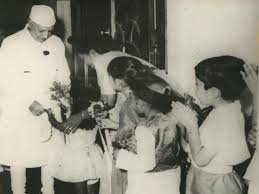
Nehrus Vision for India
During the early 1930s, Nehru emerged as the political leader of the Indian National Congress, while Gandhi moved into a more spiritual role. Nehru drafted a set of core principles for India between 1929 and 1931, called the Fundamental Rights and Economic Policy, which was adopted by the All India Congress Committee. Among the rights enumerated were freedom of expression, freedom of religion, protection of regional cultures and languages, abolition of untouchable status, socialism, and the right to vote.As a result, Nehru is often called the Architect of Modern India. He fought hardest for the inclusion of socialism, which many other Congress members opposed. During the later 1930s and early 1940s, Nehru also had almost sole responsibility for drafting the foreign policy of a future Indian nationstate.

 The Pandits Legacy
 Early years
 Freedom Struggle
 Politics and the Independence Struggle
 Political apprenticeship
 Death
Death Imprisonment during World War II
 Nehru as PM
 Controvery
 Call for Home Rule
 Sino Indian War of 1962
 Nehrus Vision for India
 Test your English Language
  Delicious Cookie Recipes
 Cutting Edge Technologies Soon to be Used in Cars
 Mosquito Prevention Deep Sea Mysteries And Oddities That Will Leave You Baffled Cut Throat Pool Game
 The Worlds Most Magnificent Mosques Deadly Computer Viruses
 Best Cities for young People Play Boxing Deadliest Diseases in human history
 Weird English Movie Names
 Weird Fish Most Terrifying Deep Sea Creatures Cutest Short Hairstyles
 Dr Bhimrao Ambedkar
 Queen Victoria
 Quick Content Marketing Tips Quick Tips To Build Brawn