Ekadashi
Ekadashi
11. Apara Ekadashi
Parana means breaking the fast. Ekadashi Parana is done after sunrise on next day of Ekadashi fast. It is necessary to do Parana within Dwadashi Tithi unless Dwadashi is over before sunrise. Not doing Parana within Dwadashi is similar to an offence.
Parana should not be done during Hari Vasara. One should wait for Hari Vasara to get over before breaking the fast. Hari Vasara is first one fourth duration of Dwadashi Tithi. The most preferred time to break the fast is Pratahkal. One should avoid breaking the fast during Madhyahna. If due to some reasons one is not able to break the fast during Pratahkal then one should do it after Madhyahna.
At times Ekadashi fasting is suggested on two consecutive days. It is advised that Smartha with family should observe fasting on first day only. The alternate Ekadashi fasting, which is the second one, is suggested for Sanyasis, widows and for those who want Moksha. When alternate Ekadashi fasting is suggested for Smartha it coincides with Vaishnava Ekadashi fasting day.
Ekadashi fasting on both days is suggested for staunch devotees who seek for love and affection of Lord Vishnu.
Parana should not be done during Hari Vasara. One should wait for Hari Vasara to get over before breaking the fast. Hari Vasara is first one fourth duration of Dwadashi Tithi. The most preferred time to break the fast is Pratahkal. One should avoid breaking the fast during Madhyahna. If due to some reasons one is not able to break the fast during Pratahkal then one should do it after Madhyahna.
At times Ekadashi fasting is suggested on two consecutive days. It is advised that Smartha with family should observe fasting on first day only. The alternate Ekadashi fasting, which is the second one, is suggested for Sanyasis, widows and for those who want Moksha. When alternate Ekadashi fasting is suggested for Smartha it coincides with Vaishnava Ekadashi fasting day.
Ekadashi fasting on both days is suggested for staunch devotees who seek for love and affection of Lord Vishnu.
12. Nirjala Ekadashi
Nirjala Ekadashi is the most important and significant Ekadashis out of all twenty four Ekadashis in a year. Nirjala means without water and Nirjala Ekadashi fasting is observed without water and any type of food. Nirjala Ekadashi Vratam is the toughest among all Ekadashi fasting due to strict fasting rules. Devotees abstain not only from food but also from water while observing Nirjala Ekadashi Vrat.
Benefits Devotees who are unable to observe all twenty fours Ekadashi fasting in a year should observe single Nirjala Ekadashi fasting as fasting on Nirjala Ekadashi brings all benefits of twenty four Ekadashi fasting in a year.
Nirjala Ekadashi is also known as Pandava Ekadashi and Bhimseni or Bhima Ekadashi due to one legend associated with Nirjala Ekadashi. Bhimsen, the second Pandava brother and voracious eater, was not able to control his desire of having food and was not able observe Ekadashi fasting. Except Bhima, all Pandava brothers and Draupadi used to observe all Ekadashi fasting. Bhima, being upset due to his weak determination and doing a dishonor to Lord Vishnu, met Maharishi Vyasa to find some solution. Sage Vyasa advised Bhima to observe single Nirjala Ekadasi fasting to compensate for not observing all Ekadashi fasting in a year. Due to this legend Nirjala Ekadashi is also known as Bhimseni Ekadashi or Pandava Ekadashi.
Time Nirjala Ekadashi fasting falls during Shukla Paksha of Jyeshtha month and currently falls in month of May or June. Nirjala Ekadashi falls just after Ganga Dusshra but in some years Ganga Dussehra and Nirjala Ekadashi might fall on the same day.
Parana means breaking the fast. Ekadashi Parana is done after sunrise on next day of Ekadashi fast. It is necessary to do Parana within Dwadashi Tithi unless Dwadashi is over before sunrise. Not doing Parana within Dwadashi is similar to an offence.
Parana should not be done during Hari Vasara. One should wait for Hari Vasara to get over before breaking the fast. Hari Vasara is first one fourth duration of Dwadashi Tithi. The most preferred time to break the fast is Pratahkal. One should avoid breaking the fast during Madhyahna. If due to some reasons one is not able to break the fast during Pratahkal then one should do it after Madhyahna. At times Ekadashi fasting is suggested on two consecutive days. It is advised that Smartha with family should observe fasting on first day only. The alternate Ekadashi fasting, which is the second one, is suggested for Sanyasis, widows and for those who want Moksha. When alternate Ekadashi fasting is suggested for Smartha it coincides with Vaishnava Ekadashi fasting day.
Ekadashi fasting on both days is suggested for staunch devotees who seek for love and affection of Lord Vishnu.
Nirjala Ekadashi is also known as Pandava Ekadashi and Bhimseni or Bhima Ekadashi due to one legend associated with Nirjala Ekadashi. Bhimsen, the second Pandava brother and voracious eater, was not able to control his desire of having food and was not able observe Ekadashi fasting. Except Bhima, all Pandava brothers and Draupadi used to observe all Ekadashi fasting. Bhima, being upset due to his weak determination and doing a dishonor to Lord Vishnu, met Maharishi Vyasa to find some solution. Sage Vyasa advised Bhima to observe single Nirjala Ekadasi fasting to compensate for not observing all Ekadashi fasting in a year. Due to this legend Nirjala Ekadashi is also known as Bhimseni Ekadashi or Pandava Ekadashi.
Time Nirjala Ekadashi fasting falls during Shukla Paksha of Jyeshtha month and currently falls in month of May or June. Nirjala Ekadashi falls just after Ganga Dusshra but in some years Ganga Dussehra and Nirjala Ekadashi might fall on the same day.
Parana means breaking the fast. Ekadashi Parana is done after sunrise on next day of Ekadashi fast. It is necessary to do Parana within Dwadashi Tithi unless Dwadashi is over before sunrise. Not doing Parana within Dwadashi is similar to an offence.
Parana should not be done during Hari Vasara. One should wait for Hari Vasara to get over before breaking the fast. Hari Vasara is first one fourth duration of Dwadashi Tithi. The most preferred time to break the fast is Pratahkal. One should avoid breaking the fast during Madhyahna. If due to some reasons one is not able to break the fast during Pratahkal then one should do it after Madhyahna. At times Ekadashi fasting is suggested on two consecutive days. It is advised that Smartha with family should observe fasting on first day only. The alternate Ekadashi fasting, which is the second one, is suggested for Sanyasis, widows and for those who want Moksha. When alternate Ekadashi fasting is suggested for Smartha it coincides with Vaishnava Ekadashi fasting day.
Ekadashi fasting on both days is suggested for staunch devotees who seek for love and affection of Lord Vishnu.
13. Yogini Ekadashi
Parana means breaking the fast. Ekadashi Parana is done after sunrise on next day of Ekadashi fast. It is necessary to do Parana within Dwadashi Tithi unless Dwadashi is over before sunrise. Not doing Parana within Dwadashi is similar to an offence.
Parana should not be done during Hari Vasara. One should wait for Hari Vasara to get over before breaking the fast. Hari Vasara is first one fourth duration of Dwadashi Tithi. The most preferred time to break the fast is Pratahkal. One should avoid breaking the fast during Madhyahna. If due to some reasons one is not able to break the fast during Pratahkal then one should do it after Madhyahna.
At times Ekadashi fasting is suggested on two consecutive days. It is advised that Smartha with family should observe fasting on first day only. The alternate Ekadashi fasting, which is the second one, is suggested for Sanyasis, widows and for those who want Moksha. When alternate Ekadashi fasting is suggested for Smartha it coincides with Vaishnava Ekadashi fasting day.
Ekadashi fasting on both days is suggested for staunch devotees who seek for love and affection of Lord Vishnu.
Parana should not be done during Hari Vasara. One should wait for Hari Vasara to get over before breaking the fast. Hari Vasara is first one fourth duration of Dwadashi Tithi. The most preferred time to break the fast is Pratahkal. One should avoid breaking the fast during Madhyahna. If due to some reasons one is not able to break the fast during Pratahkal then one should do it after Madhyahna.
At times Ekadashi fasting is suggested on two consecutive days. It is advised that Smartha with family should observe fasting on first day only. The alternate Ekadashi fasting, which is the second one, is suggested for Sanyasis, widows and for those who want Moksha. When alternate Ekadashi fasting is suggested for Smartha it coincides with Vaishnava Ekadashi fasting day.
Ekadashi fasting on both days is suggested for staunch devotees who seek for love and affection of Lord Vishnu.
14. Padmini Ekadashi
In year 2015 Padmini Ekadashi falls during leaped Ashadha month. Leaped month is also known as Adhika Masa and Ekadashi which falls during Shukla Paksha of Adhika Masam is known as Padmini Ekadashi. Hence no Lunar month is fixed to observe Padmini Ekadashi fasting and it is decided based on leaped month. This Ekadashi is also known as Ashadha Adhika Masa Ekadashi
Parana means breaking the fast. Ekadashi Parana is done after sunrise on next day of Ekadashi fast. It is necessary to do Parana within Dwadashi Tithi unless Dwadashi is over before sunrise. Not doing Parana within Dwadashi is similar to an offence.
Parana should not be done during Hari Vasara. One should wait for Hari Vasara to get over before breaking the fast. Hari Vasara is first one fourth duration of Dwadashi Tithi. The most preferred time to break the fast is Pratahkal. One should avoid breaking the fast during Madhyahna. If due to some reasons one is not able to break the fast during Pratahkal then one should do it after Madhyahna.
At times Ekadashi fasting is suggested on two consecutive days. It is advised that Smartha with family should observe fasting on first day only. The alternate Ekadashi fasting, which is the second one, is suggested for Sanyasis, widows and for those who want Moksha. When alternate Ekadashi fasting is suggested for Smartha it coincides with Vaishnava Ekadashi fasting day.
Ekadashi fasting on both days is suggested for staunch devotees who seek for love and affection of Lord Vishnu.
Parana should not be done during Hari Vasara. One should wait for Hari Vasara to get over before breaking the fast. Hari Vasara is first one fourth duration of Dwadashi Tithi. The most preferred time to break the fast is Pratahkal. One should avoid breaking the fast during Madhyahna. If due to some reasons one is not able to break the fast during Pratahkal then one should do it after Madhyahna.
At times Ekadashi fasting is suggested on two consecutive days. It is advised that Smartha with family should observe fasting on first day only. The alternate Ekadashi fasting, which is the second one, is suggested for Sanyasis, widows and for those who want Moksha. When alternate Ekadashi fasting is suggested for Smartha it coincides with Vaishnava Ekadashi fasting day.
Ekadashi fasting on both days is suggested for staunch devotees who seek for love and affection of Lord Vishnu.
15. Parama Ekadashi
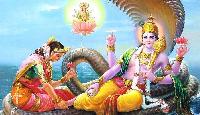
In year 2015 Parama Ekadashi falls during leaped Ashadha month. Leaped month is also known as Adhika Masa and Ekadashi which falls during Krishna Paksha of Adhika Masam is known as Parama Ekadashi. Hence no Lunar month is fixed to observe Parama Ekadashi fasting and it is decided based on leaped month. This Ekadashi is also known as Ashadha Adhika Masa Ekadashi.
Parana means breaking the fast. Ekadashi Parana is done after sunrise on next day of Ekadashi fast. It is necessary to do Parana within Dwadashi Tithi unless Dwadashi is over before sunrise. Not doing Parana within Dwadashi is similar to an offence.
Parana should not be done during Hari Vasara. One should wait for Hari Vasara to get over before breaking the fast. Hari Vasara is first one fourth duration of Dwadashi Tithi. The most preferred time to break the fast is Pratahkal. One should avoid breaking the fast during Madhyahna. If due to some reasons one is not able to break the fast during Pratahkal then one should do it after Madhyahna.
At times Ekadashi fasting is suggested on two consecutive days. It is advised that Smartha with family should observe fasting on first day only. The alternate Ekadashi fasting, which is the second one, is suggested for Sanyasis, widows and for those who want Moksha. When alternate Ekadashi fasting is suggested for Smartha it coincides with Vaishnava Ekadashi fasting day.
Ekadashi fasting on both days is suggested for staunch devotees who seek for love and affection of Lord Vishnu.
Parana means breaking the fast. Ekadashi Parana is done after sunrise on next day of Ekadashi fast. It is necessary to do Parana within Dwadashi Tithi unless Dwadashi is over before sunrise. Not doing Parana within Dwadashi is similar to an offence.
Parana should not be done during Hari Vasara. One should wait for Hari Vasara to get over before breaking the fast. Hari Vasara is first one fourth duration of Dwadashi Tithi. The most preferred time to break the fast is Pratahkal. One should avoid breaking the fast during Madhyahna. If due to some reasons one is not able to break the fast during Pratahkal then one should do it after Madhyahna.
At times Ekadashi fasting is suggested on two consecutive days. It is advised that Smartha with family should observe fasting on first day only. The alternate Ekadashi fasting, which is the second one, is suggested for Sanyasis, widows and for those who want Moksha. When alternate Ekadashi fasting is suggested for Smartha it coincides with Vaishnava Ekadashi fasting day.
Ekadashi fasting on both days is suggested for staunch devotees who seek for love and affection of Lord Vishnu.
16. Devshayani Ekadashi
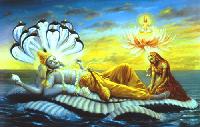
Ashadha Shukla Paksha Ekadashi is known as Devshayani Ekadashi. Lord Vishnu goes to sleep on this day and wakes up after four months on Prabodhini Ekadashi.
Devshayani Ekadashi comes just after famous Jagannath Rathyatra and currently falls in month of June or July on English calendar. Chaturmas, a holy period of four months in Hindu calendar, starts from this day.
Devshayani Ekadashi is also known as Padma Ekadashi, Ashadi Ekadashi and Hari Shayani Ekadashi.
Parana means breaking the fast. Ekadashi Parana is done after sunrise on next day of Ekadashi fast. It is necessary to do Parana within Dwadashi Tithi unless Dwadashi is over before sunrise. Not doing Parana within Dwadashi is similar to an offence.
Parana should not be done during Hari Vasara. One should wait for Hari Vasara to get over before breaking the fast. Hari Vasara is first one fourth duration of Dwadashi Tithi. The most preferred time to break the fast is Pratahkal. One should avoid breaking the fast during Madhyahna. If due to some reasons one is not able to break the fast during Pratahkal then one should do it after Madhyahna.
At times Ekadashi fasting is suggested on two consecutive days. It is advised that Smartha with family should observe fasting on first day only. The alternate Ekadashi fasting, which is the second one, is suggested for Sanyasis, widows and for those who want Moksha. When alternate Ekadashi fasting is suggested for Smartha it coincides with Vaishnava Ekadashi fasting day. Ekadashi fasting on both days is suggested for staunch devotees who seek for love and affection of Lord Vishnu.
Devshayani Ekadashi comes just after famous Jagannath Rathyatra and currently falls in month of June or July on English calendar. Chaturmas, a holy period of four months in Hindu calendar, starts from this day.
Devshayani Ekadashi is also known as Padma Ekadashi, Ashadi Ekadashi and Hari Shayani Ekadashi.
Parana means breaking the fast. Ekadashi Parana is done after sunrise on next day of Ekadashi fast. It is necessary to do Parana within Dwadashi Tithi unless Dwadashi is over before sunrise. Not doing Parana within Dwadashi is similar to an offence.
Parana should not be done during Hari Vasara. One should wait for Hari Vasara to get over before breaking the fast. Hari Vasara is first one fourth duration of Dwadashi Tithi. The most preferred time to break the fast is Pratahkal. One should avoid breaking the fast during Madhyahna. If due to some reasons one is not able to break the fast during Pratahkal then one should do it after Madhyahna.
At times Ekadashi fasting is suggested on two consecutive days. It is advised that Smartha with family should observe fasting on first day only. The alternate Ekadashi fasting, which is the second one, is suggested for Sanyasis, widows and for those who want Moksha. When alternate Ekadashi fasting is suggested for Smartha it coincides with Vaishnava Ekadashi fasting day. Ekadashi fasting on both days is suggested for staunch devotees who seek for love and affection of Lord Vishnu.
17. Kamika Ekadashi
Parana means breaking the fast. Ekadashi Parana is done after sunrise on next day of Ekadashi fast. It is necessary to do Parana within Dwadashi Tithi unless Dwadashi is over before sunrise. Not doing Parana within Dwadashi is similar to an offence.
Parana should not be done during Hari Vasara. One should wait for Hari Vasara to get over before breaking the fast. Hari Vasara is first one fourth duration of Dwadashi Tithi. The most preferred time to break the fast is Pratahkal. One should avoid breaking the fast during Madhyahna. If due to some reasons one is not able to break the fast during Pratahkal then one should do it after Madhyahna.
At times Ekadashi fasting is suggested on two consecutive days. It is advised that Smartha with family should observe fasting on first day only. The alternate Ekadashi fasting, which is the second one, is suggested for Sanyasis, widows and for those who want Moksha. When alternate Ekadashi fasting is suggested for Smartha it coincides with Vaishnava Ekadashi fasting day.
Ekadashi fasting on both days is suggested for staunch devotees who seek for love and affection of Lord Vishnu.
Parana should not be done during Hari Vasara. One should wait for Hari Vasara to get over before breaking the fast. Hari Vasara is first one fourth duration of Dwadashi Tithi. The most preferred time to break the fast is Pratahkal. One should avoid breaking the fast during Madhyahna. If due to some reasons one is not able to break the fast during Pratahkal then one should do it after Madhyahna.
At times Ekadashi fasting is suggested on two consecutive days. It is advised that Smartha with family should observe fasting on first day only. The alternate Ekadashi fasting, which is the second one, is suggested for Sanyasis, widows and for those who want Moksha. When alternate Ekadashi fasting is suggested for Smartha it coincides with Vaishnava Ekadashi fasting day.
Ekadashi fasting on both days is suggested for staunch devotees who seek for love and affection of Lord Vishnu.
18. Aja Ekadashi
Parana means breaking the fast. Ekadashi Parana is done after sunrise on next day of Ekadashi fast. It is necessary to do Parana within Dwadashi Tithi unless Dwadashi is over before sunrise. Not doing Parana within Dwadashi is similar to an offence.
Parana should not be done during Hari Vasara. One should wait for Hari Vasara to get over before breaking the fast. Hari Vasara is first one fourth duration of Dwadashi Tithi. The most preferred time to break the fast is Pratahkal. One should avoid breaking the fast during Madhyahna. If due to some reasons one is not able to break the fast during Pratahkal then one should do it after Madhyahna.
At times Ekadashi fasting is suggested on two consecutive days. It is advised that Smartha with family should observe fasting on first day only. The alternate Ekadashi fasting, which is the second one, is suggested for Sanyasis, widows and for those who want Moksha. When alternate Ekadashi fasting is suggested for Smartha it coincides with Vaishnava Ekadashi fasting day.
Ekadashi fasting on both days is suggested for staunch devotees who seek for love and affection of Lord Vishnu.
Parana should not be done during Hari Vasara. One should wait for Hari Vasara to get over before breaking the fast. Hari Vasara is first one fourth duration of Dwadashi Tithi. The most preferred time to break the fast is Pratahkal. One should avoid breaking the fast during Madhyahna. If due to some reasons one is not able to break the fast during Pratahkal then one should do it after Madhyahna.
At times Ekadashi fasting is suggested on two consecutive days. It is advised that Smartha with family should observe fasting on first day only. The alternate Ekadashi fasting, which is the second one, is suggested for Sanyasis, widows and for those who want Moksha. When alternate Ekadashi fasting is suggested for Smartha it coincides with Vaishnava Ekadashi fasting day.
Ekadashi fasting on both days is suggested for staunch devotees who seek for love and affection of Lord Vishnu.
19. Parivartini Ekadashi
Parana means breaking the fast. Ekadashi Parana is done after sunrise on next day of Ekadashi fast. It is necessary to do Parana within Dwadashi Tithi unless Dwadashi is over before sunrise. Not doing Parana within Dwadashi is similar to an offence.
Parana should not be done during Hari Vasara. One should wait for Hari Vasara to get over before breaking the fast. Hari Vasara is first one fourth duration of Dwadashi Tithi. The most preferred time to break the fast is Pratahkal. One should avoid breaking the fast during Madhyahna. If due to some reasons one is not able to break the fast during Pratahkal then one should do it after Madhyahna.
At times Ekadashi fasting is suggested on two consecutive days. It is advised that Smartha with family should observe fasting on first day only. The alternate Ekadashi fasting, which is the second one, is suggested for Sanyasis, widows and for those who want Moksha. When alternate Ekadashi fasting is suggested for Smartha it coincides with Vaishnava Ekadashi fasting day.
Ekadashi fasting on both days is suggested for staunch devotees who seek for love and affection of Lord Vishnu.
Parana should not be done during Hari Vasara. One should wait for Hari Vasara to get over before breaking the fast. Hari Vasara is first one fourth duration of Dwadashi Tithi. The most preferred time to break the fast is Pratahkal. One should avoid breaking the fast during Madhyahna. If due to some reasons one is not able to break the fast during Pratahkal then one should do it after Madhyahna.
At times Ekadashi fasting is suggested on two consecutive days. It is advised that Smartha with family should observe fasting on first day only. The alternate Ekadashi fasting, which is the second one, is suggested for Sanyasis, widows and for those who want Moksha. When alternate Ekadashi fasting is suggested for Smartha it coincides with Vaishnava Ekadashi fasting day.
Ekadashi fasting on both days is suggested for staunch devotees who seek for love and affection of Lord Vishnu.
20. Indira Ekadashi
Parana means breaking the fast. Ekadashi Parana is done after sunrise on next day of Ekadashi fast. It is necessary to do Parana within Dwadashi Tithi unless Dwadashi is over before sunrise. Not doing Parana within Dwadashi is similar to an offence.
Parana should not be done during Hari Vasara. One should wait for Hari Vasara to get over before breaking the fast. Hari Vasara is first one fourth duration of Dwadashi Tithi. The most preferred time to break the fast is Pratahkal. One should avoid breaking the fast during Madhyahna. If due to some reasons one is not able to break the fast during Pratahkal then one should do it after Madhyahna.
At times Ekadashi fasting is suggested on two consecutive days. It is advised that Smartha with family should observe fasting on first day only. The alternate Ekadashi fasting, which is the second one, is suggested for Sanyasis, widows and for those who want Moksha. When alternate Ekadashi fasting is suggested for Smartha it coincides with Vaishnava Ekadashi fasting day.
Ekadashi fasting on both days is suggested for staunch devotees who seek for love and affection of Lord Vishnu.
Parana should not be done during Hari Vasara. One should wait for Hari Vasara to get over before breaking the fast. Hari Vasara is first one fourth duration of Dwadashi Tithi. The most preferred time to break the fast is Pratahkal. One should avoid breaking the fast during Madhyahna. If due to some reasons one is not able to break the fast during Pratahkal then one should do it after Madhyahna.
At times Ekadashi fasting is suggested on two consecutive days. It is advised that Smartha with family should observe fasting on first day only. The alternate Ekadashi fasting, which is the second one, is suggested for Sanyasis, widows and for those who want Moksha. When alternate Ekadashi fasting is suggested for Smartha it coincides with Vaishnava Ekadashi fasting day.
Ekadashi fasting on both days is suggested for staunch devotees who seek for love and affection of Lord Vishnu.